As 2025 arrives, billions of Muslims around the world welcome another Ramadan. This is a time filled with spirituality, reflection, and unity—a season that symbolizes hope and forgiveness. During this holy month, believers purify their hearts through fasting, prayer, and charitable deeds, renewing their connection with Allah and embracing a fresh start in life.
Ramadan is the ninth month of the Islamic lunar calendar and is revered as the period during which the Prophet Muhammad received revelations of the Qur’an. This month is not solely about abstaining from food and drink; it is an opportunity for complete spiritual renewal. Through fasting from dawn until sunset, Muslims experience hunger and, in doing so, gain a deeper empathy for the poor and the vulnerable, inspiring compassion and care for others.
In 2025, Ramadan falls within the Islamic year 1446, and it is expected to begin in the early part of the month. Although the exact start date may vary slightly by region due to moon sightings, Muslims worldwide are preparing for this time-honored tradition. Ramadan is not only a physical challenge but also a journey of inner purification—allowing believers to reflect on the past year, seek forgiveness, and set new spiritual goals for the future.
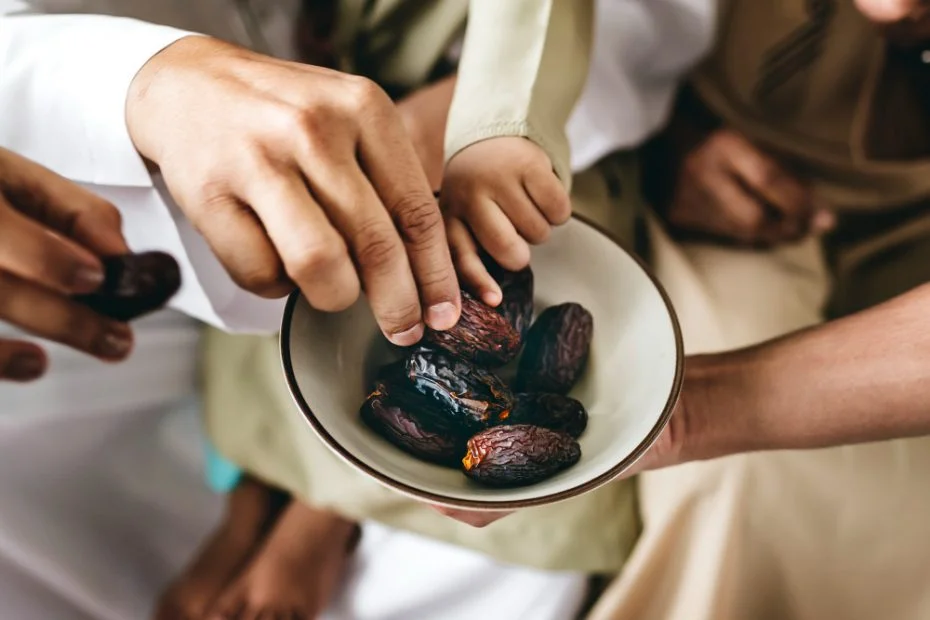
During Ramadan, Muslims rise early for the morning prayers and gather after sunset to break their fast. This daily practice of communal iftar (breaking of the fast) strengthens family and community bonds. The shared meals not only nourish the body but also warm the heart, symbolizing unity and the power of collective spirit.
In 2025, Ramadan holds particular significance as it comes at a time when the modern world is rapidly changing. In an era where material abundance can sometimes lead to inner disquiet, Ramadan serves as a reminder that life is not only about the pursuit of material wealth but also about enriching the spirit and finding inner peace. Through daily prayers and self-reflection, believers rediscover life’s deeper meaning, learning gratitude, forgiveness, and empathy.
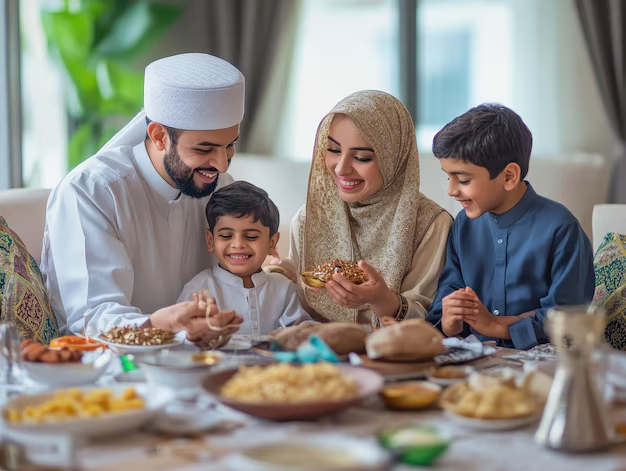
Charity is an integral part of Ramadan. Muslims are encouraged to actively participate in acts of generosity during this month—whether it’s donating to charitable organizations, providing food for the needy, or organizing community service events. These actions not only improve society but also grant personal inner peace and fulfillment.
In 2025, with globalization and the wide reach of social media, more Muslims are sharing their Ramadan experiences and stories of charity online. This not only inspires greater participation in humanitarian efforts but also offers a window into the Islamic spirit for people of different cultural backgrounds, fostering cross-cultural understanding and connection.
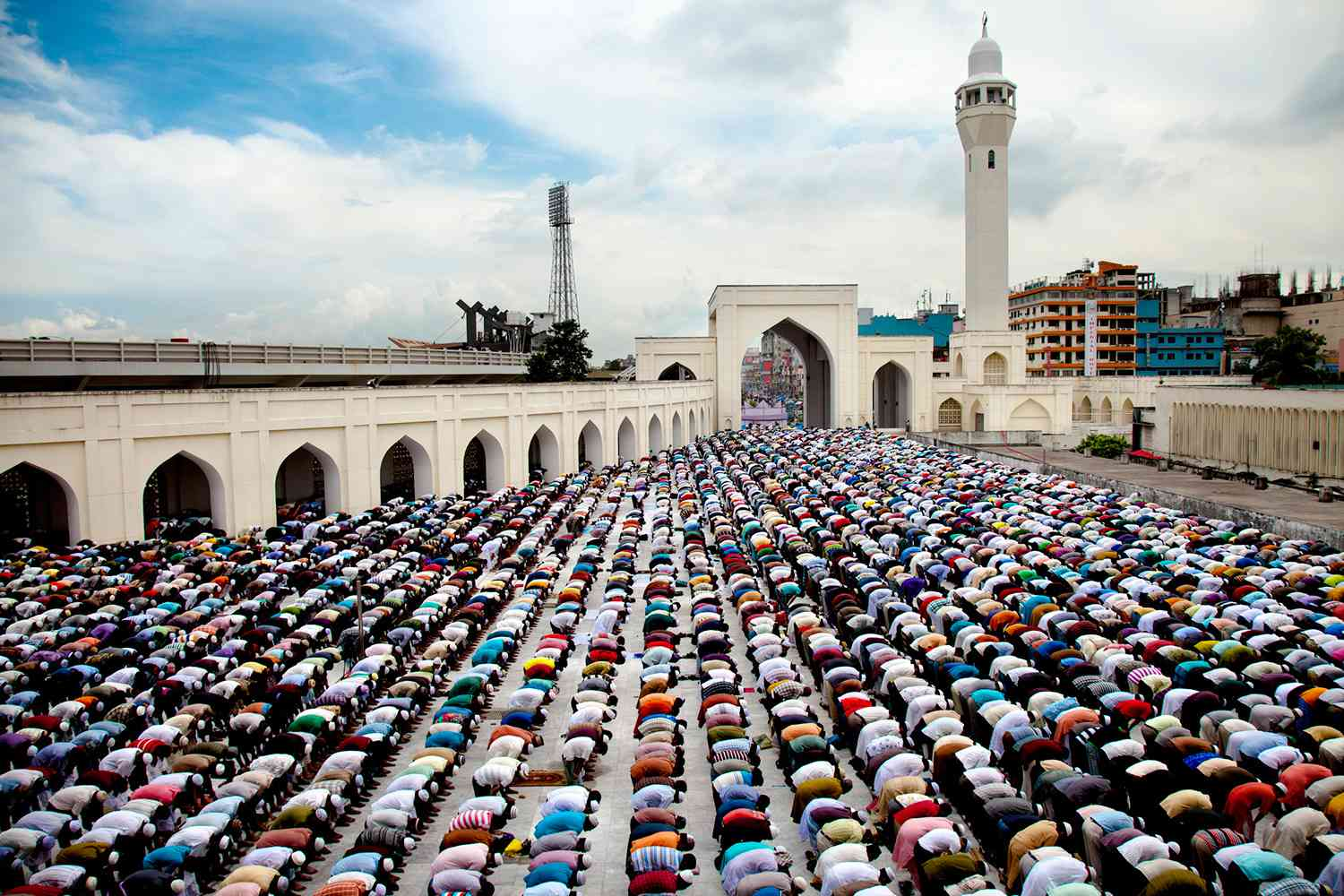
For many in the modern world, Ramadan is both a traditional observance and a lifestyle transformation. Numerous cities organize Ramadan bazaars, cultural lectures, prayer gatherings, and community events that provide moments of tranquility amid busy urban life. Restaurants and cafés adjust their operating hours and offer special "iftar menus," adding warmth and celebration to the month.
The year 2025 is especially remarkable as it is seen as a year when “hope does not disappoint.” Religious leaders around the world, including Pope Francis, have called on people to embrace this period with open hearts and compassion. Whether at home or within the wider community, individuals are striving to use this time of fasting and prayer to help build a more just and caring world.


