In an era dominated by technology and screen time, the importance of physical activity and outdoor play for children cannot be overstated. However, with safety concerns, weather restrictions, and limited outdoor spaces, parents and researchers are turning their attention to a new trend: indoor playgrounds. These colorful and imaginative spaces are increasingly seen as valuable resources that have a positive impact on children's physical and mental growth.
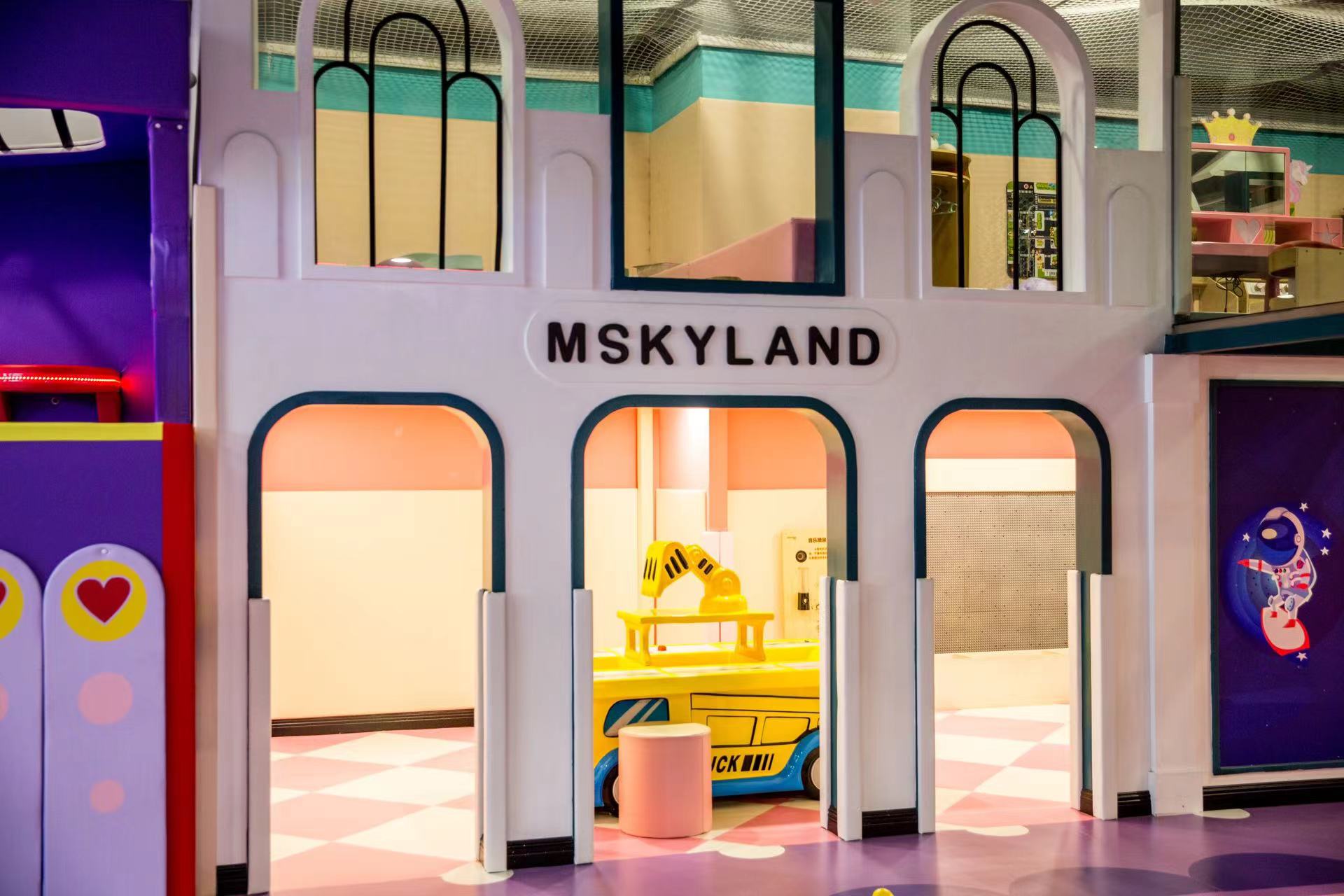
Physically, indoor playgrounds provide a safe and controlled environment for children to engage in active play. With a variety of equipment like slides, climbing frames, ball pits, and obstacle courses, these spaces encourage children to run, jump, crawl, and balance. Such physical activities help in the development of gross motor skills, coordination, and overall fitness. Additionally, indoor playgrounds offer a space where children can engage in physical play regardless of weather conditions, allowing for year-round exercise opportunities.
Furthermore, indoor playgrounds stimulate children's mental growth by fostering creativity, imagination, and social interaction. These spaces often include themed play areas that ignite children's curiosity and encourage them to engage in pretend play. Whether they are exploring a pirate ship or a magical castle, children's imaginations are set free, promoting cognitive development and problem-solving skills.
Indoor playgrounds also provide opportunities for social interaction and the development of important social skills. In these spaces, children have the chance to engage with peers, practice sharing, take turns, and navigate conflicts in a supervised and supportive environment. Such interactions enhance their communication abilities, empathy, and emotional intelligence.
Additionally, many indoor playgrounds offer structured activities and programs, such as art classes, music sessions, and organized games. These activities further enrich children's experiences and provide additional avenues for learning and growth.
While outdoor play remains essential, indoor playgrounds complement and supplement traditional outdoor activities, especially in urban areas with limited green spaces. They provide a safe and stimulating alternative, catering to children's physical and mental needs.
In conclusion, indoor playgrounds have emerged as valuable resources for children's growth and development. By offering a controlled space for physical play, promoting imaginative and creative thinking, and facilitating social interaction, these playgrounds have a positive impact on children's physical and mental well-being. As researchers continue to explore the benefits of these indoor spaces, parents can feel confident in utilizing them as an integral part of their children's growth journey.


