IntroductionIndoor playgrounds are cherished spaces where children explore, learn, and play, requiring effective management for seamless daily operations. This article delves into key aspects that contribute to the success of indoor playgrounds, emphasizing the delicate balance between providing an enjoyable experience for young visitors and ensuring efficient business operations.
 Safety: A Top Priority
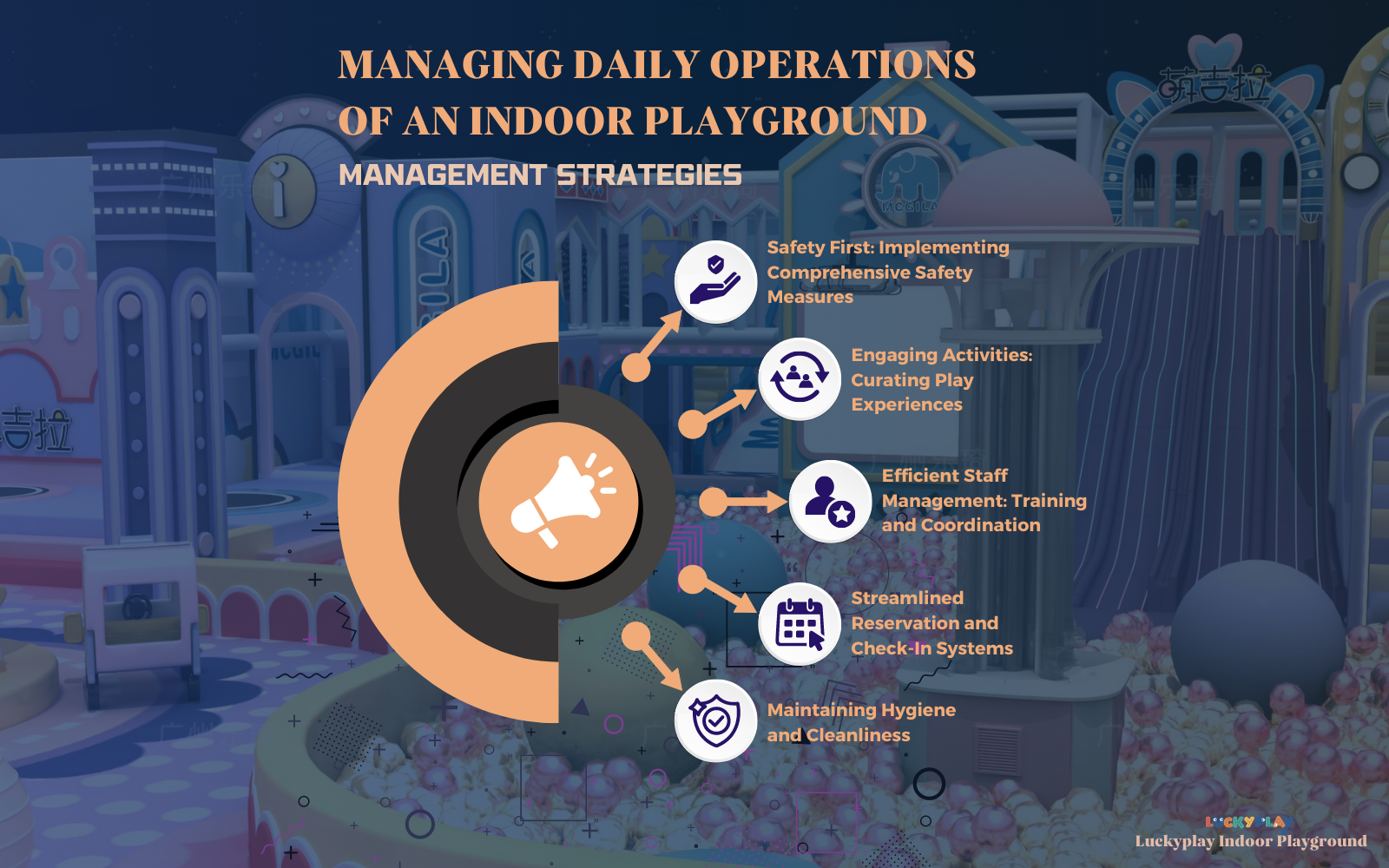
Central to managing indoor playgrounds is prioritizing safety. Regular equipment inspections and safety protocols are vital to prevent accidents. Trained staff and informed parents collaborate to maintain a secure environment, fostering trust and a positive reputation.
Engaging Activities for All AgesIndoor playgrounds thrive on diverse and engaging activities. From ball pits to creative workshops, these activities stimulate physical and cognitive development. Periodic updates and themed events keep the experience fresh, attracting repeat visits and special occasions.
Efficient Staff ManagementA dedicated and well-coordinated staff is essential. Hiring individuals passionate about children's well-being ensures effective supervision and conflict resolution. Training sessions cover emergency response and communication, creating a seamless experience for visitors.
Streamlined Operations: Reservations and Check-InsEfficiency in operations enhances visitor experiences. Online reservations and self-service check-ins streamline planning and reduce wait times. Digital waivers promote eco-friendliness and convenience.
Hygiene and CleanlinessMaintaining a hygienic environment is critical, particularly for children. Regular cleaning and sanitization routines safeguard play equipment and surfaces. Hand sanitizing stations encourage good hygiene practices.
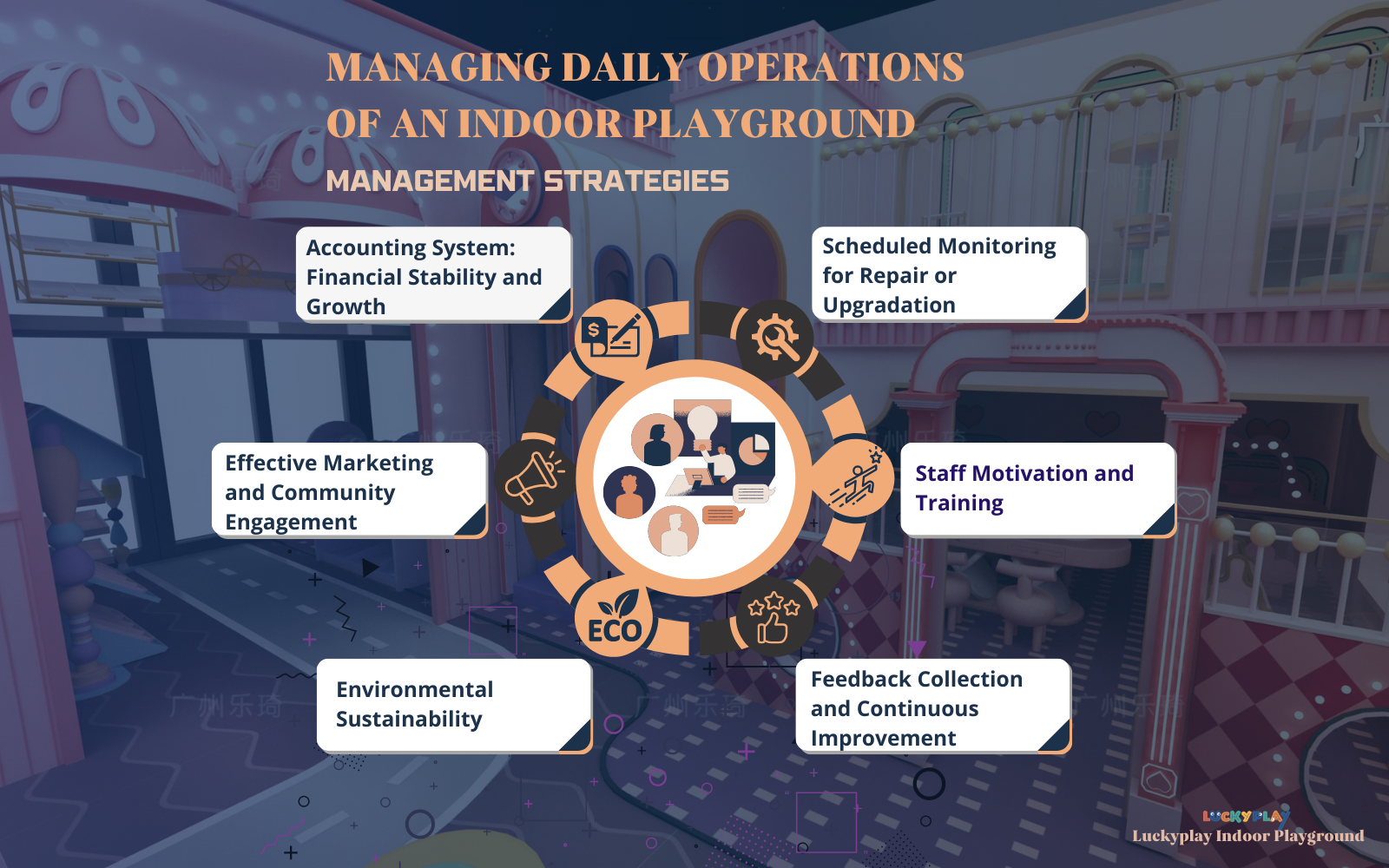
Accounting for Stability and GrowthA robust accounting system underpins financial stability and growth. Tracking revenue, expenses, and profitability informs decision-making. Insights gained enable informed adjustments and business expansion.
 Scheduled Maintenance and Upgrades
Proactive maintenance ensures safety and enjoyment. Scheduling routine equipment checks and upgrades prevents hazards and keeps offerings fresh. This commitment to improvement prolongs equipment lifespan and elevates the customer experience.
Effective Marketing and Community EngagementActive online presence, collaborations, and events attract a wider audience. Marketing strategies foster customer loyalty while community engagement strengthens ties, ensuring a consistent flow of visitors.
Motivated Staff and SustainabilityMotivated staff and sustainability practices drive success. Regular training and recognition boost staff morale. Embracing eco-friendly practices aligns with modern values, attracting conscious customers.
Feedback-Driven ExcellenceCollecting feedback drives continuous improvement. Valuable insights from visitors enhance operations, displaying dedication to exceptional experiences.
ConclusionManaging indoor playgrounds demands meticulous planning, consistent oversight, and a commitment to safety and enjoyment. By focusing on safety, engaging activities, efficient operations, sustainability, and continuous improvement, these playgrounds can flourish as family-favorite destinations. The harmony between fun and efficiency is the cornerstone of their enduring success.


