Selecting the right location is the most critical decision when starting a commercial indoor playground. Even the most creative theme and the safest equipment will struggle to succeed in the wrong place. Based on Luckyplay’s 17 years of project experience across shopping malls, family centers, and entertainment complexes worldwide, here’s a comprehensive guide to choosing the best location for your indoor playground.
Before you start looking for a venue, clearly define who your customers are:
Families with young children (ages 2–12) — prefer safe, clean, and educational spaces.
Mall visitors and restaurant guests — look for convenient, short-stay entertainment.
Birthday party clients and daycare partners — require private zones and accessibility.
The demographics of the surrounding area directly affect foot traffic and ticket pricing.
For instance, high-income communities may favor themed playgrounds and role-play areas, while middle-class neighborhoods often prioritize price-performance and practicality.
Not all spaces are created equal. Based on hundreds of Luckyplay projects, here are the top-performing indoor playground location types:
Shopping Malls:
The most stable choice with constant family traffic. A playground can increase mall dwell time by 20–40%.
Tip: Choose a floor near restaurants or children’s stores for natural synergy.
Mixed-use Commercial Buildings:
Suitable for medium-sized playgrounds targeting residents and office workers’ families.
Tip: Prioritize buildings with easy parking and visibility from main roads.*
Standalone Buildings / Warehouses:
Ideal for large adventure or trampoline parks.
Tip: Ensure zoning approval and safety compliance (fire, height, ventilation).
Community Centers & Educational Complexes:
Great for smaller indoor playgrounds focused on early learning or role-play.
Tip: Build partnerships with kindergartens or training centers nearby.*
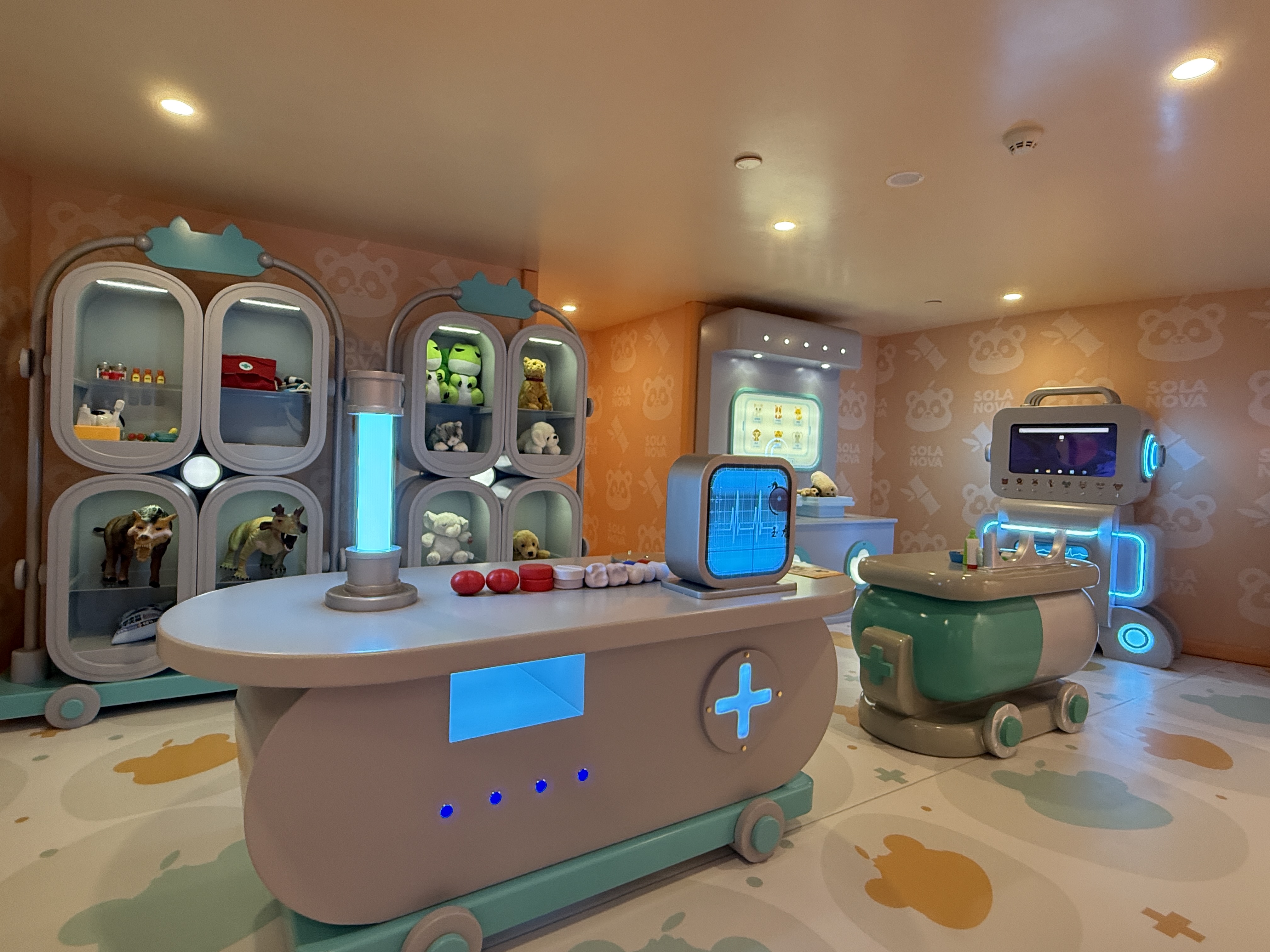
A good playground location should make it easy to visit and hard to ignore.
Key factors include:
Pedestrian flow: Observe traffic during weekends and holidays, not weekdays only.
Visibility: A playground visible from escalators, entrances, or food courts gets 30% more walk-ins.
Parking: At least 1 parking spot per 10–15 sqm of playground space is ideal.
Public transport: Near bus or subway stops helps attract families without cars.
Luckyplay recommends: Always measure real foot traffic for at least three consecutive weekends before signing a lease.
Your location should fit your investment level and target capacity:
| Playground Type | Area Range | Budget Range (USD/m²) | Ideal Location |
|---|---|---|---|
| Mini Role-Play Zone | 100–300㎡ | $160–220 | Community centers, cafes |
| Medium Family Playground | 300–800㎡ | $220–300 | Malls, retail complexes |
| Large Adventure Park | 800–2000㎡+ | $300–400 | Warehouses, entertainment hubs |
A space that’s too large increases rent and maintenance costs; too small limits play value and profitability.
Indoor playgrounds are three-dimensional businesses — they need space for slides, climbing nets, and mezzanines.
Look for:
Ceiling height: Minimum 3.5 meters for soft play; 5 meters for large slides or rope courses.
Column spacing: Wider spacing means better layout flexibility.
Floor load capacity: Verify if the floor can support heavy play modules.
Natural light & ventilation: Improves comfort and reduces energy costs.
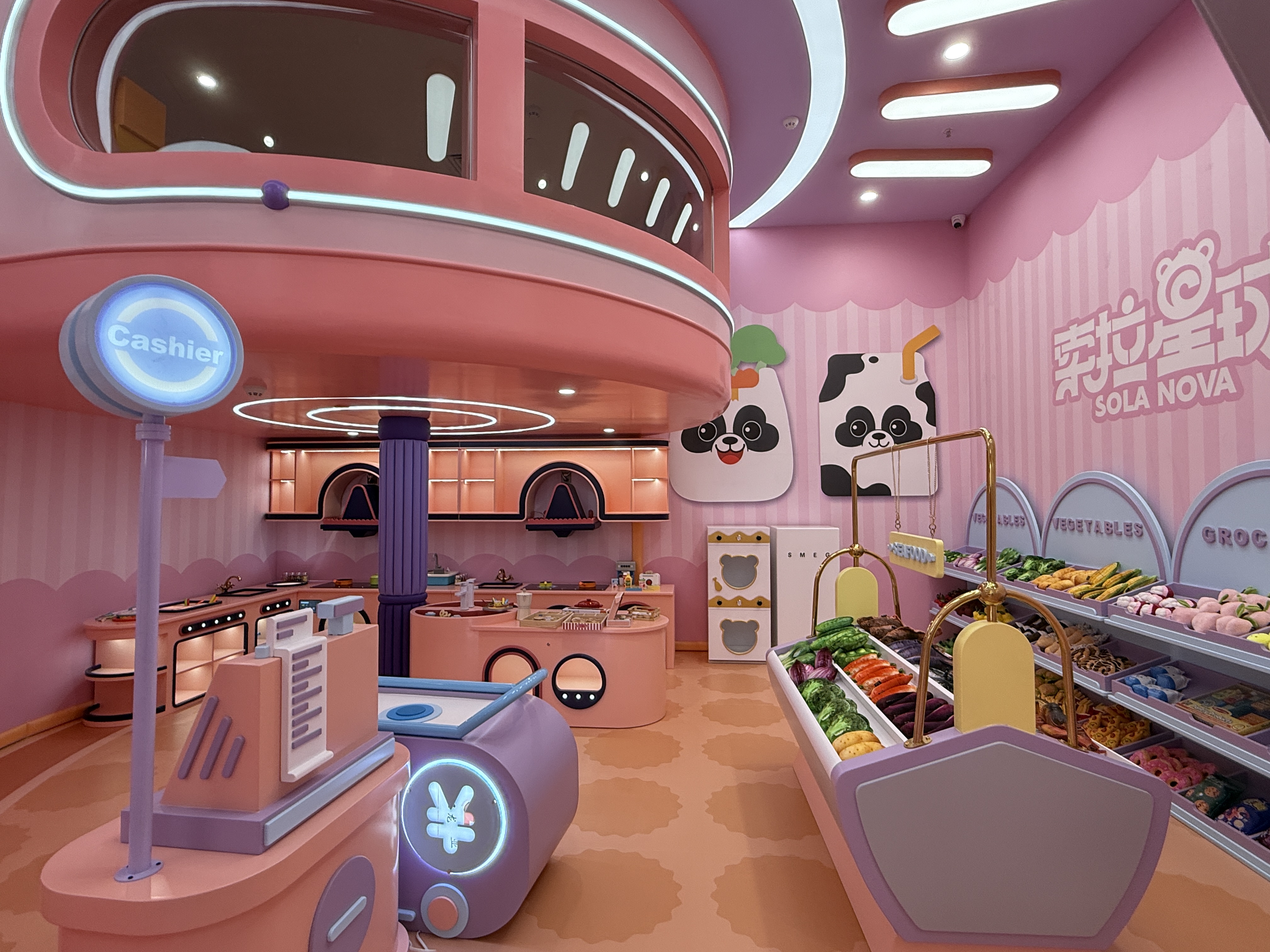
Competition isn’t always bad — it can validate local demand.
What matters is positioning:
If there’s an existing indoor playground, find out its theme, pricing, and peak hours.
Choose a different experience (e.g., music, science, or sports-themed) to stand out.
Complementary businesses — such as cafes, cinemas, or toy stores — can create mutual growth.
Luckyplay often designs playgrounds that integrate with nearby food & beverage areas to extend customer stay time.
Even the perfect space must make financial sense.
As a general rule:
Monthly rent should not exceed 15–20% of total projected revenue.
To estimate ROI:
Calculate foot traffic × conversion rate × average ticket price.
Subtract rent, staff, and maintenance costs.
Aim for a return period within 18–24 months for medium playgrounds.
Before signing a lease, check:
Fire exits, sprinkler systems, and emergency routes (these affect EN1176/ASTM compliance).
Electrical and HVAC load — indoor playgrounds require constant airflow and stable lighting.
Lease terms for renovation or subletting options.
Choose a location where you can grow — many Luckyplay clients start with 500㎡ and expand to 1,000㎡ within two years.
A successful indoor playground is not built by chance — it’s built by strategy.
The best location combines visibility, accessibility, target demographics, and long-term growth potential.
At Luckyplay, we help investors evaluate locations with detailed space planning, business model simulations, and safety compliance checks, ensuring every project begins on solid ground.
If you’re planning to open your first indoor playground, let our expert team guide you from location evaluation to custom 3D design — because the right place is where your business starts to win.


