Opening a kids indoor playground can be a lucrative business venture, providing a safe and entertaining environment for children to play and develop their skills. The cost of opening such a facility, however, can vary widely depending on several factors. In this article, we will explore the various costs associated with opening a kids indoor playground and provide insights into the key considerations for entrepreneurs.
The significance of indoor playgrounds lies in their ability to provide a year-round, weather-independent play solution for children, making them an attractive option for parents seeking entertainment and developmental activities for their kids. With the rise in demand for such facilities, understanding the costs involved is crucial for anyone looking to invest in this business.
Initial Investment Costs
The initial investment for opening a kids indoor playground includes several key components:
- Facility Rental or Purchase: The cost of renting or buying a suitable location is a significant upfront expense. The size and location of the facility will greatly impact this cost, with prime locations in urban areas typically being more expensive.
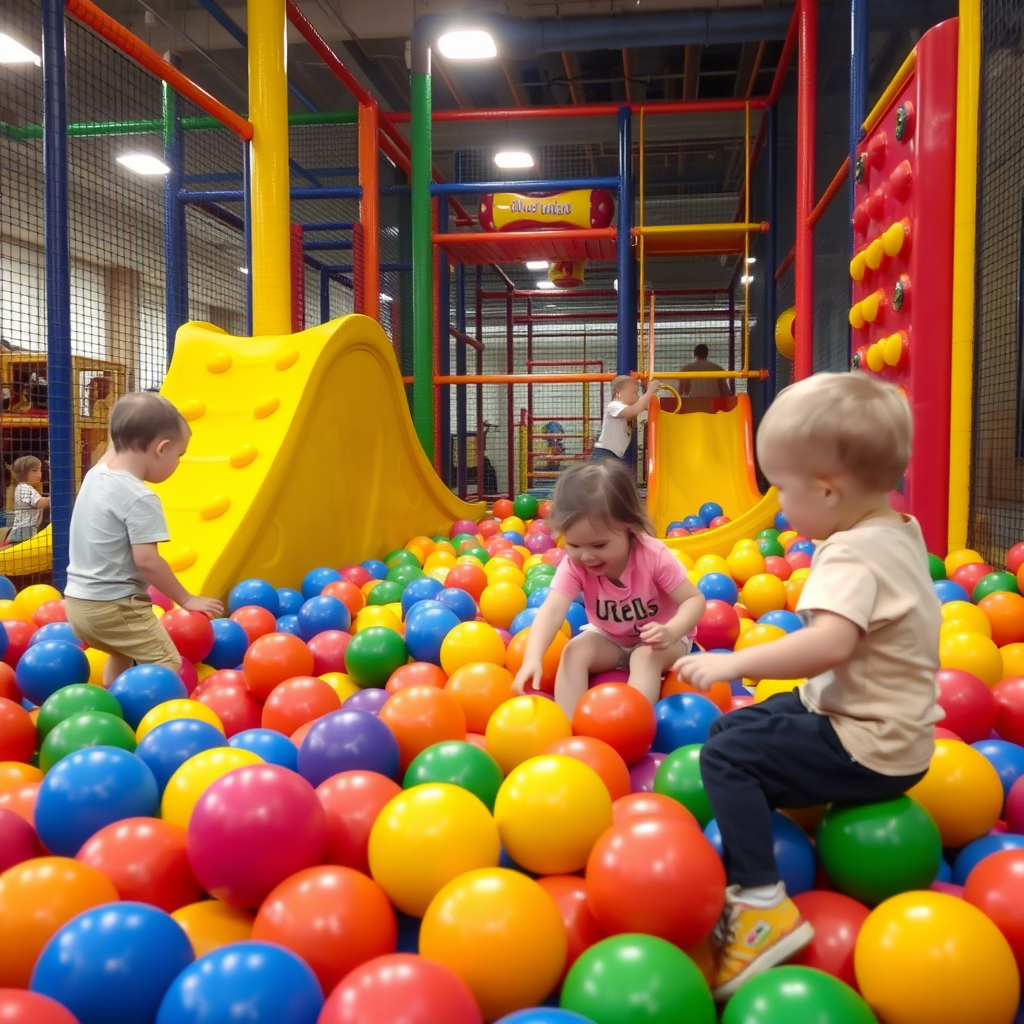
- Play Equipment and Furniture: The playground equipment, including climbing structures, ball pits, and soft play areas, is a major investment. High-quality, safe, and durable equipment is essential. For example, a reputable supplier like LuckyPlay offers a range of playground equipment designed for safety and fun.
- Safety Measures and Soft Play Materials: Ensuring the playground is safe for children involves investing in soft play materials and safety measures such as padding and secure fencing.
Operational Costs
After the initial setup, there are ongoing operational costs to consider:
- Staffing: Employing staff to manage the playground, ensure safety, and provide customer service is a significant ongoing expense. Staffing costs will depend on the size of the playground and the number of visitors.
- Marketing and Advertising: Attracting customers requires a budget for marketing and advertising. This can include social media campaigns, local advertising, and promotional events.
- Maintenance and Repairs: Regular maintenance of the playground equipment and facilities is crucial to ensure safety and extend the lifespan of the equipment. Budgeting for repairs and replacements is also necessary.

Revenue Streams
To make the business viable, it's essential to consider potential revenue streams:
- Admission Fees: Charging an admission fee is a primary source of revenue. The fee structure can vary based on age, time of visit, or membership models.
- Food and Beverage Sales: Many indoor playgrounds enhance their revenue by offering food and beverages. This can range from simple snacks to full meals, depending on the facilities available.
- Party Hosting and Events: Hosting birthday parties and other events can provide a significant revenue boost. Offering customized packages that include playtime, food, and other services can attract more customers. For more ideas on enhancing your playground, you can explore products designed for kids' entertainment at LuckyPlay's products page.
Location and Demographics
The success of an indoor playground heavily depends on its location and the demographics of the surrounding area:
- Population Density: Areas with a high population density, especially those with a large number of families with young children, are ideal locations.
- Competition: Assessing the competition in the area is crucial. Understanding what existing playgrounds offer and how you can differentiate your business is key to attracting customers.
- Accessibility and Parking: Ensuring the location is easily accessible and has adequate parking is vital for attracting and retaining customers.

Regulatory Compliance
Compliance with local regulations and safety standards is mandatory:
- Safety Standards: Ensuring that the playground meets all local safety standards and regulations is not only legally required but also crucial for the reputation and success of the business.
- Health and Hygiene: Maintaining high standards of health and hygiene, especially in areas where food is served, is essential.
- Employment Laws: Compliance with employment laws when hiring staff is necessary to avoid legal issues.
Opening a kids indoor playground requires a significant initial investment and ongoing operational costs. However, with careful planning, a well-chosen location, and a focus on safety and customer satisfaction, it can be a rewarding business venture. By understanding the various costs involved and exploring different revenue streams, entrepreneurs can make informed decisions about their investment. Ultimately, providing a safe, fun, and engaging environment for children can lead to a successful and profitable business.


